Ice fishing games: a beginner's guide
Ice fishing games follow a simple loop that hides a lot of depth. This guide walks through the basics so your first sessions on the virtual ice feel relaxed rather than confusing.
What makes ice fishing games different
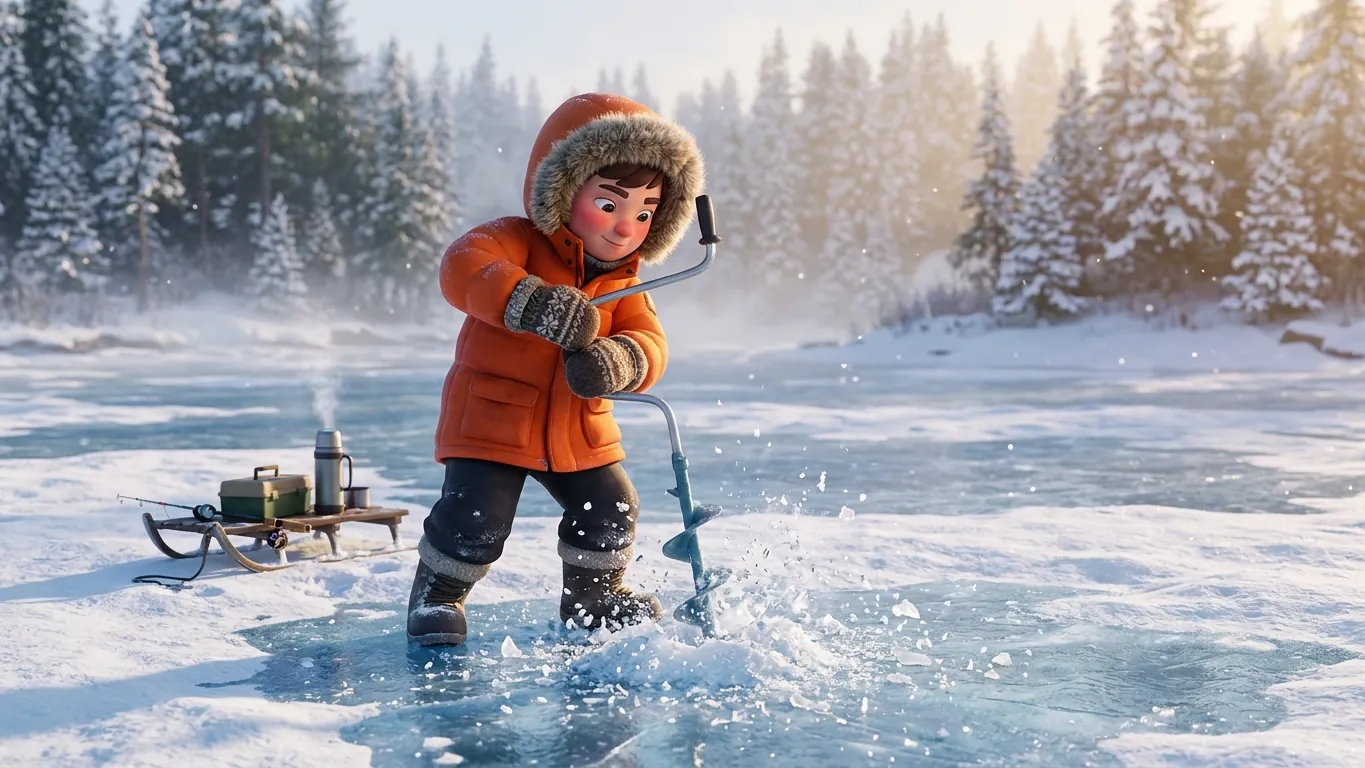
Open-water fishing games usually let you cast far across a lake and cover lots of water from a boat or the shore. Ice fishing games turn that around. You stand on a frozen surface, drill a small hole and fish almost straight down. Your line hangs vertically, and instead of long casts you rely on careful positioning, depth control and small movements of your lure.
This changes the whole pace. Movement takes effort, holes take time to drill, and choosing where to stand becomes the most important decision you make. Many players enjoy this slower rhythm because every choice feels deliberate. If you have played other fishing games, expect fewer long casts and more thinking about what is happening directly below you.
The core gameplay loop
Most ice fishing games follow a similar sequence, even if menus and controls vary.
- 01
Choose a location
Pick a lake or area. Games often offer several maps with different depths, species and scenery.
- 02
Pick a spot on the ice
Walk or travel to an area that looks promising, such as near a drop-off, a weed edge or a point.
- 03
Drill a hole
Use an auger to open the ice. Some games let you drill several holes to test different depths.
- 04
Rig your line
Select a rod, line, lure or bait suited to the fish you want to target.
- 05
Lower and work the lure
Drop to the right depth and use jigging or a still presentation to attract fish.
- 06
Hook and land the fish
Set the hook at the right moment and manage tension while reeling the fish up through the hole.
Understanding your basic gear
Starter gear in ice fishing games is usually simple: a short rod, a reel with light line, a few small lures and some bait. Short rods make sense because you are fishing straight down in a tight space. Lighter lines are often less visible to fish in game logic but can break more easily if you pull too hard.
At the start, resist the urge to spend every resource on upgrades. Try your starter kit on a few different spots first. You will learn more about how your game models bites and line strength by experimenting than by buying the most expensive item right away. Once you know which species you enjoy targeting, you can upgrade with a clear purpose.
Many games also include tools like a sonar unit, a heated shelter or tip-ups that let you fish several holes at once. These are helpful, but they are not required to enjoy the game. Learn the basics first and add tools as you understand what they solve.
Reading the bite
In ice fishing games, bites are often subtle. Your rod tip may twitch, a bobber may dip slightly, a sonar mark may rise toward your lure, or the game may play a small sound. Each title signals bites differently, so spend your first sessions paying close attention to these cues.
A common beginner mistake is reacting too early. Many games simulate a fish nibbling or inspecting the lure before it commits. If you strike at the first tiny movement, you may pull the bait away. Try waiting for a firmer signal, such as a clear dip or a steady pull, before setting the hook. Over time you will develop a feel for the timing in your chosen game.
Patience is part of the game
Slow periods are normal in ice fishing games. Fish may be inactive at certain times of day, or simply not present at your spot. Rather than waiting endlessly in one hole, give each spot a reasonable amount of time, then move. Drilling a new hole a short distance away, or changing depth, can make a real difference.
Most importantly, enjoy the setting. Many winter fishing games are designed to be calm, with snowfall, shifting light and quiet sounds. Treat slow moments as a chance to relax, and the catches will feel even more rewarding when they come.
Related articles
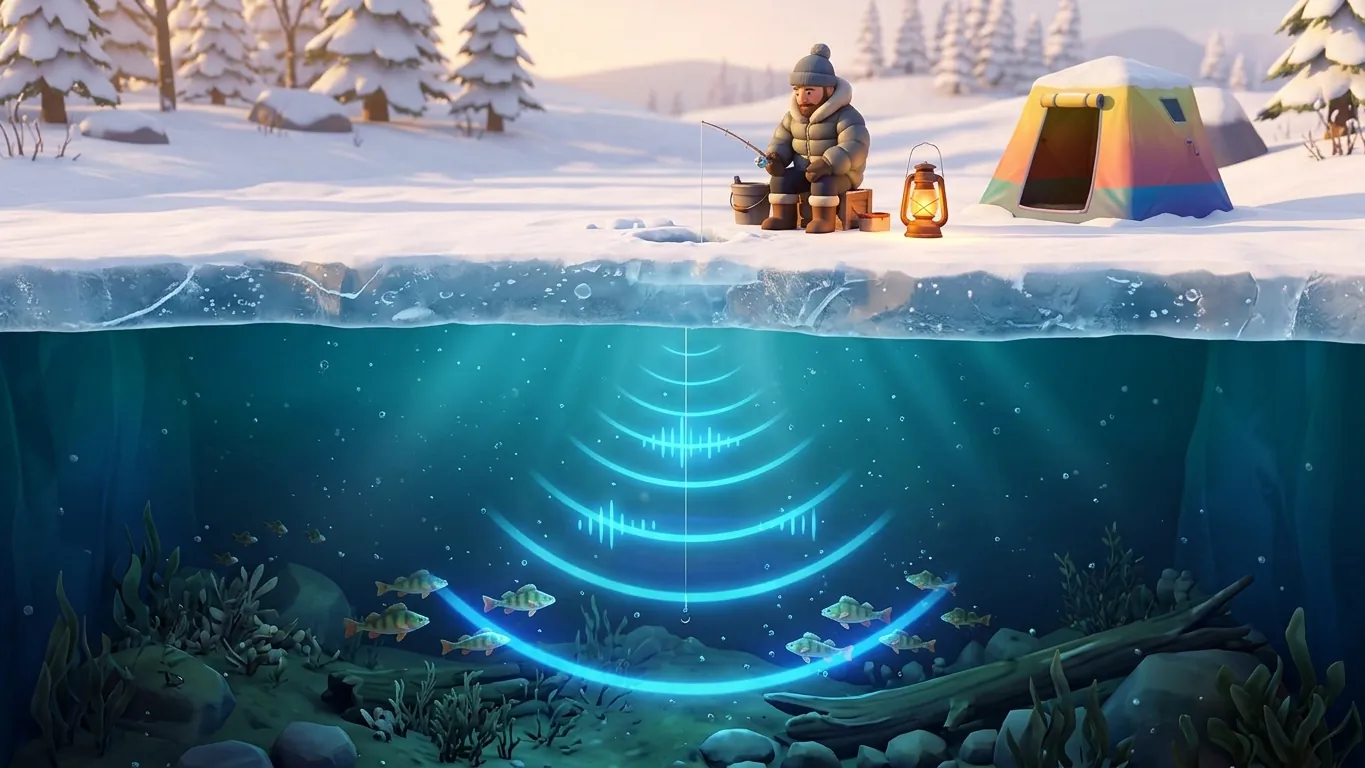 How to read sonar in ice fishing games
A clear explainer on sonar and fish finders in ice fishing games: what the display shows, how to spot fish and lure marks, and how to react to them.
Read more
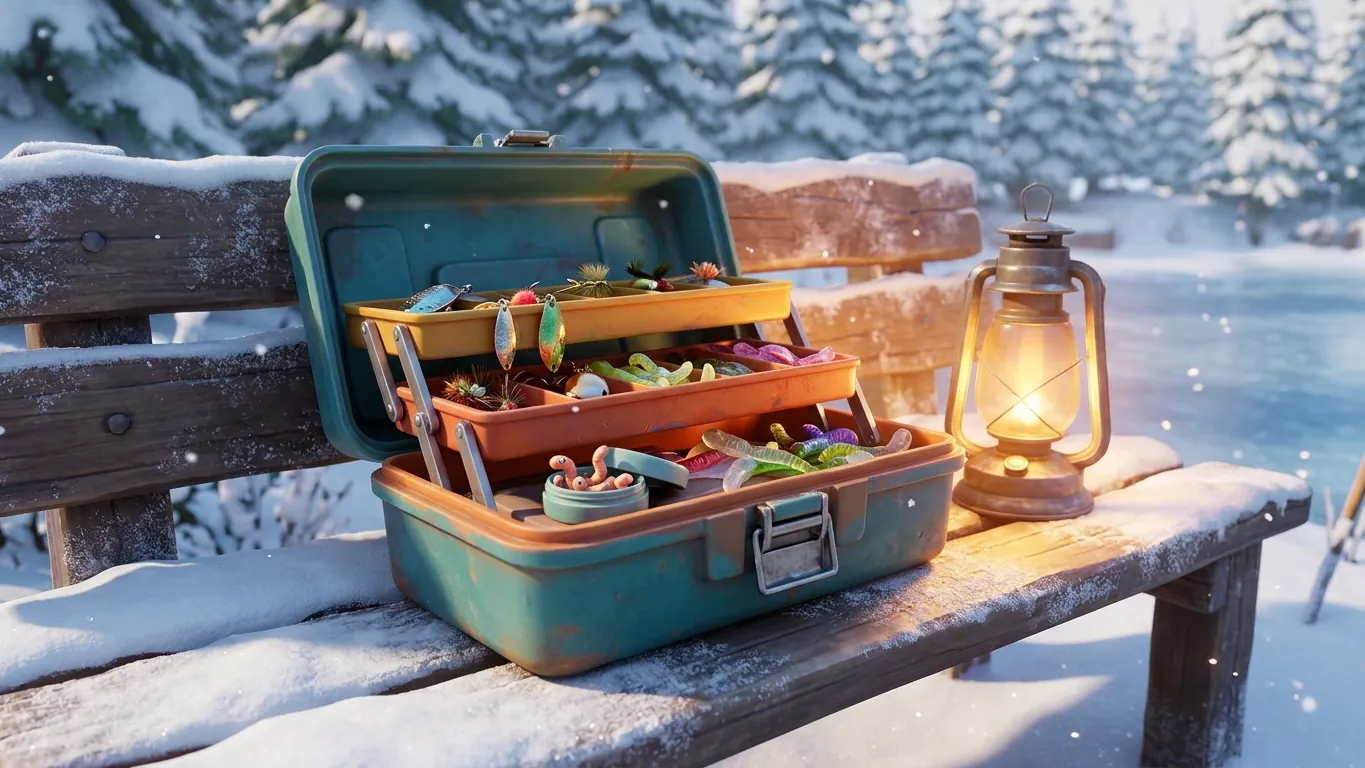 Choosing lures and bait in winter fishing games
Learn how jigs, spoons, live bait and other lures usually work in winter fishing games, and how to match your choice to species, depth and fish mood.
Read more
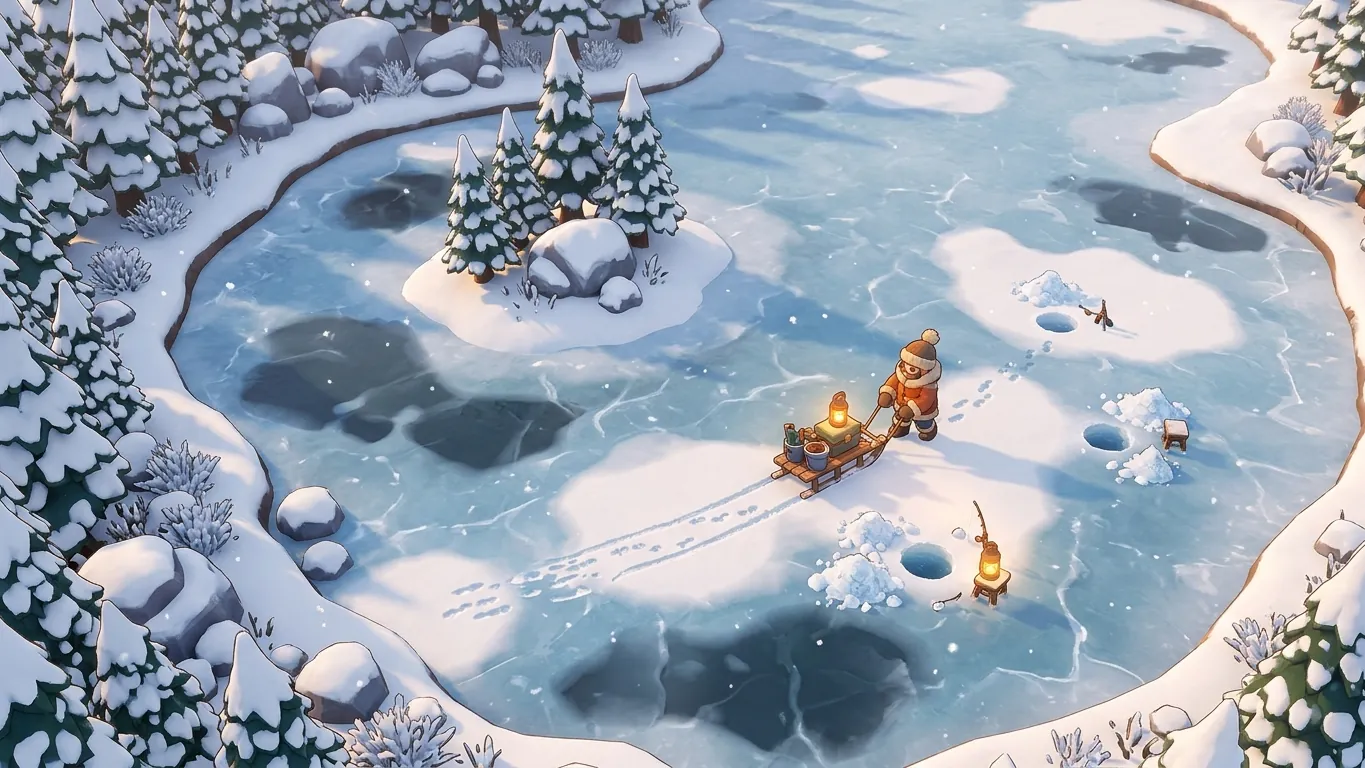 Tips for finding fish under the ice
Practical tips for finding fish in ice fishing games: using depth maps, structure, drop-offs and a systematic hole-hopping approach on frozen lakes.
Read more